
Essential Future Skills for Advancing Your Career in Mechanical Engineering
- davidpushpam30
- Dec 19
- 3 min read

Mechanical engineering is evolving rapidly. New technologies, materials, and methods are reshaping the field, and staying ahead means upgrading your skills continuously. If you want to keep your career moving forward, you need to focus on the skills that will matter most in the coming years. I’ve gathered practical insights on what to learn and how to apply these skills effectively.

Learn Advanced Computer-Aided Design and Simulation
Mechanical engineers have used CAD tools for decades, but the future demands more than basic drafting skills. You should master advanced CAD software like SolidWorks, CATIA, or Autodesk Inventor, focusing on:
Parametric modeling to quickly adjust designs
Simulation tools for stress analysis, thermal analysis, and fluid dynamics
Integration with additive manufacturing workflows
For example, using simulation software to test a design before building a prototype saves time and reduces costs. It also helps you predict how parts will behave under real-world conditions, improving product reliability.
Build Skills in Additive Manufacturing and 3D Printing
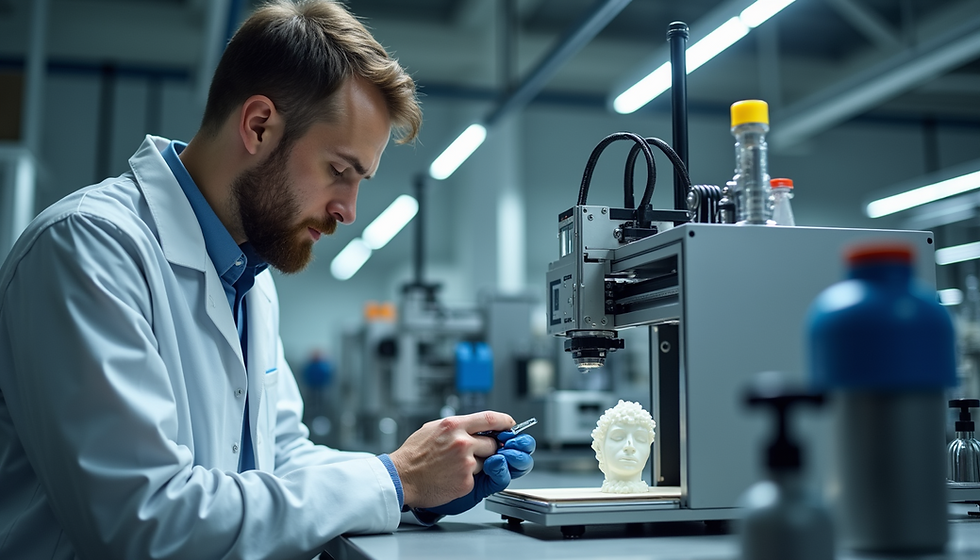
Additive manufacturing is transforming how mechanical parts are made. Learning how to design for 3D printing opens new possibilities for creating complex geometries and lightweight structures.
Key areas to focus on include:
Understanding different 3D printing technologies (SLA, SLS, FDM)
Designing parts optimized for printing, considering support structures and material properties
Post-processing techniques to improve surface finish and strength
Companies like GE and Boeing are already using 3D printing for critical components. By gaining expertise here, you position yourself to work on cutting-edge projects.
Develop Programming and Automation Knowledge
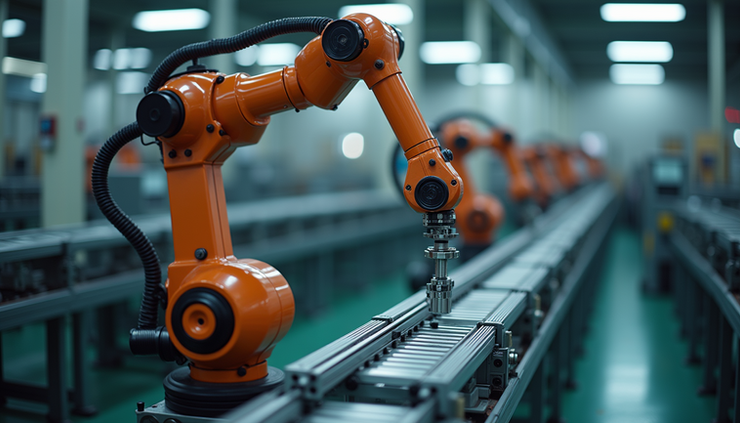
Automation is becoming central in manufacturing and product development. Mechanical engineers who can write scripts or programs to automate repetitive tasks will stand out.
Start with:
Learning Python or MATLAB for data analysis and automation
Understanding PLC programming for industrial automation
Familiarity with robotics and control systems
For instance, automating data collection from sensors on a production line can improve quality control and reduce downtime. Programming skills also help you collaborate better with software and electrical engineers.
Embrace Data Analysis and Machine Learning
Data-driven decision-making is reshaping engineering. Mechanical engineers who can analyze large datasets and apply machine learning techniques gain a competitive edge.
Focus on:
Using tools like Excel, Python (pandas, scikit-learn), or R for data analysis
Understanding predictive maintenance through sensor data
Applying machine learning models to optimize design and manufacturing processes
For example, predictive maintenance algorithms can forecast when a machine part will fail, allowing timely repairs and avoiding costly downtime. Learning these skills helps you contribute to smarter, more efficient engineering solutions.
Strengthen Project Management and Communication Skills
Technical skills alone won’t guarantee career growth. You need to manage projects effectively and communicate clearly with diverse teams.
Work on:
Learning project management methodologies like Agile or Lean
Using tools such as MS Project, Trello, or Asana to track progress
Improving your ability to explain complex technical ideas to non-engineers
Strong project management ensures your designs meet deadlines and budgets. Clear communication helps avoid misunderstandings and builds trust with clients and colleagues.

Stay Updated on Sustainable Engineering Practices
Sustainability is no longer optional. Mechanical engineers must design products and processes that minimize environmental impact.
Focus on:
Learning about energy-efficient design principles
Exploring renewable materials and recycling methods
Understanding regulations related to environmental standards
For example, designing HVAC systems with energy-saving features or using biodegradable materials in manufacturing can reduce carbon footprints. This knowledge makes you valuable in industries prioritizing green solutions.
How to Upgrade Your Skills Effectively
Set clear learning goals: Identify which skills align best with your career path.
Use online courses and certifications: Platforms like Coursera, edX, and LinkedIn Learning offer specialized courses.
Practice with real projects: Apply new skills in your current job or personal projects.
Join professional groups: Engage with communities like ASME to stay informed and network.
Seek mentorship: Learn from experienced engineers who can guide your development.

Comments